11 days in Costa Rica, June 16 to 26
Agami Heron Photography WorkshopCosta Rica
Eleven days timed for the early nesting stage, when adults carry nesting material into the colony. Around that morning we build rainforest hides, private boats and night photography.
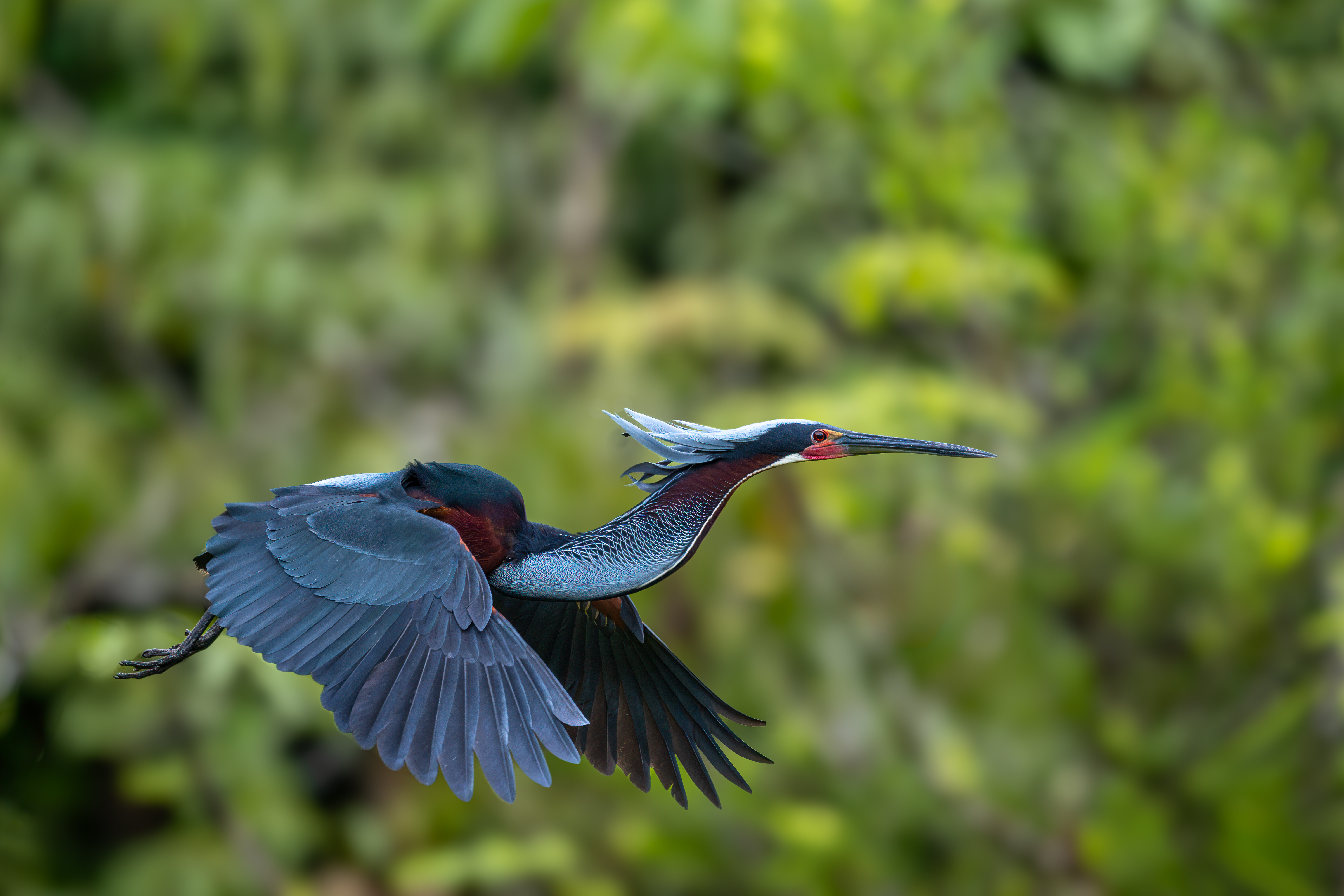
Only a few years ago, building a photography workshop around an active Agami Heron breeding colony would have been almost unthinkable. The species is famously secretive, and much of its nesting behavior takes place deep within remote and difficult-to-access wetlands.
Thanks to the work of researchers, conservationists and passionate local naturalists, three Agami Heron breeding colonies have now been documented in Costa Rica. While some remain extremely difficult to reach, one remarkable site has opened a rare window into this normally hidden part of the species' life cycle.
Through the dedication of Odir and his family, an area appropriately known as Agami Island has been carefully developed to allow visitors to experience the colony while respecting the sensitivity of the nesting birds.
Here, we will spend an entire morning photographing what many consider one of the world's most beautiful herons during one of the most visually compelling stages of its annual cycle. Our focus will extend far beyond simply seeing an Agami Heron: we will look for breeding-plumage details, courtship and nesting behavior, environmental compositions, intimate portraits and birds in flight as adults move repeatedly between the surrounding forest and the colony.
It is a photographic opportunity that, until very recently, was extraordinarily difficult to experience.
 [[VIDEO VSL: 2 A 4 MIN]]
Photo: Steve Porter
Spots left: 6
Agami Heron & Rainforest Photography Workshop
Timed for the second half of June, this workshop is built around one of Costa Rica's most remarkable seasonal wildlife events: the breeding period of the Agami Heron (Agamia agami) in the northern wetlands.
The rookery supports one of the largest known concentrations of Agami Herons in Costa Rica, and our visit is planned for an early stage of the nesting cycle, when adults are actively carrying nesting material to the colony. This creates opportunities not only for portraits of birds in breeding plumage, but also for flight photography as individuals repeatedly travel between nearby vegetation and the rookery.
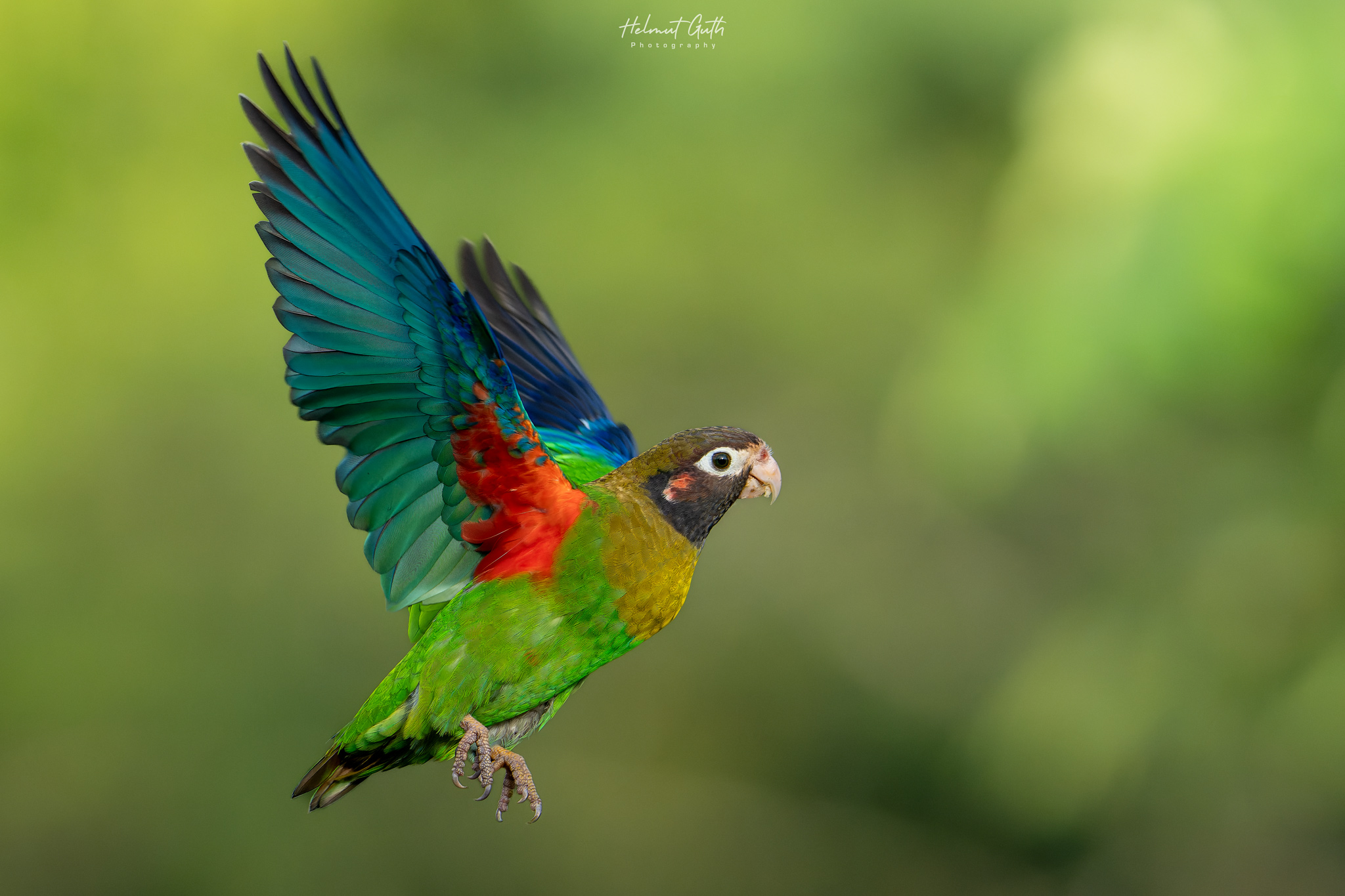
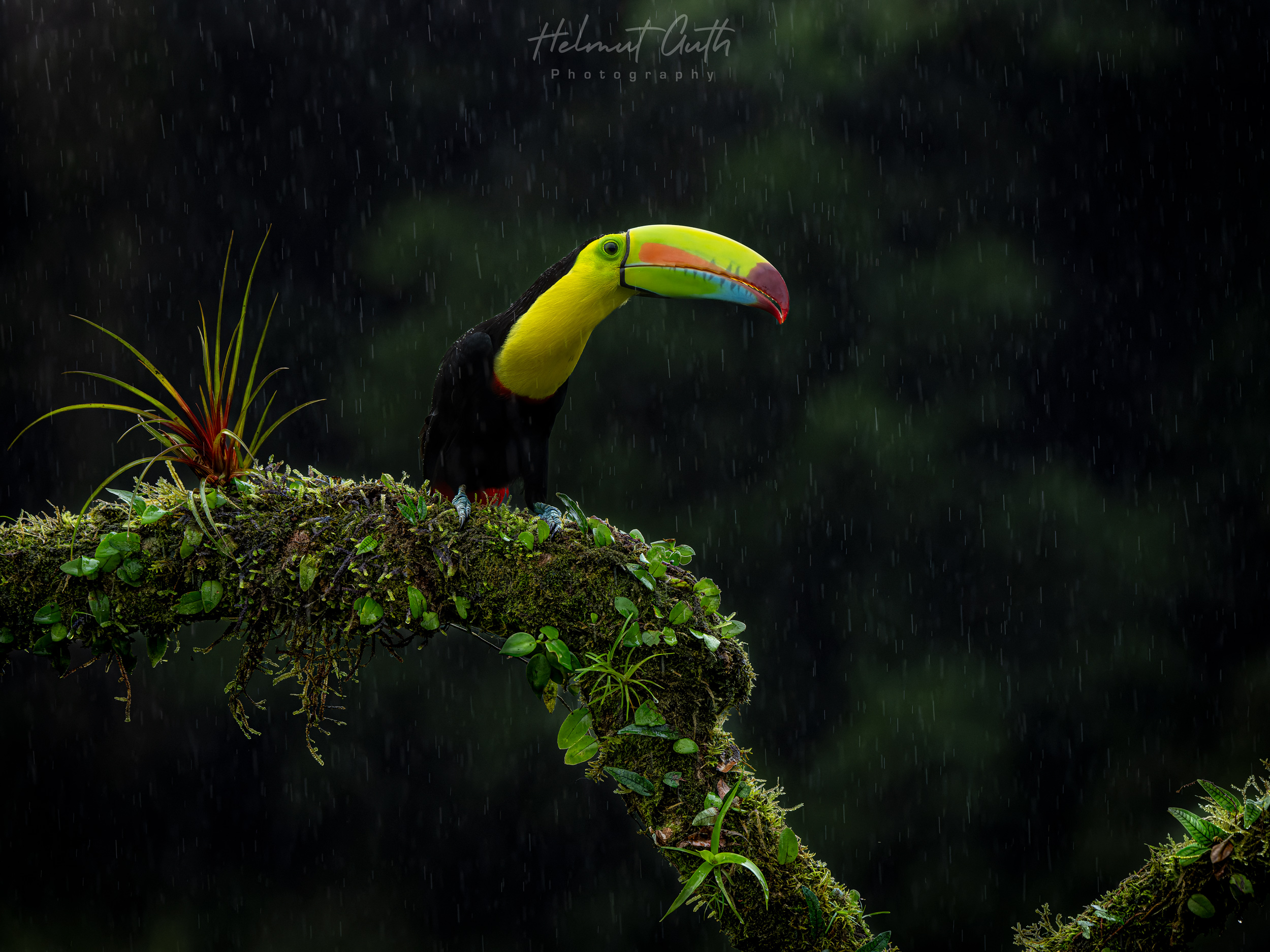
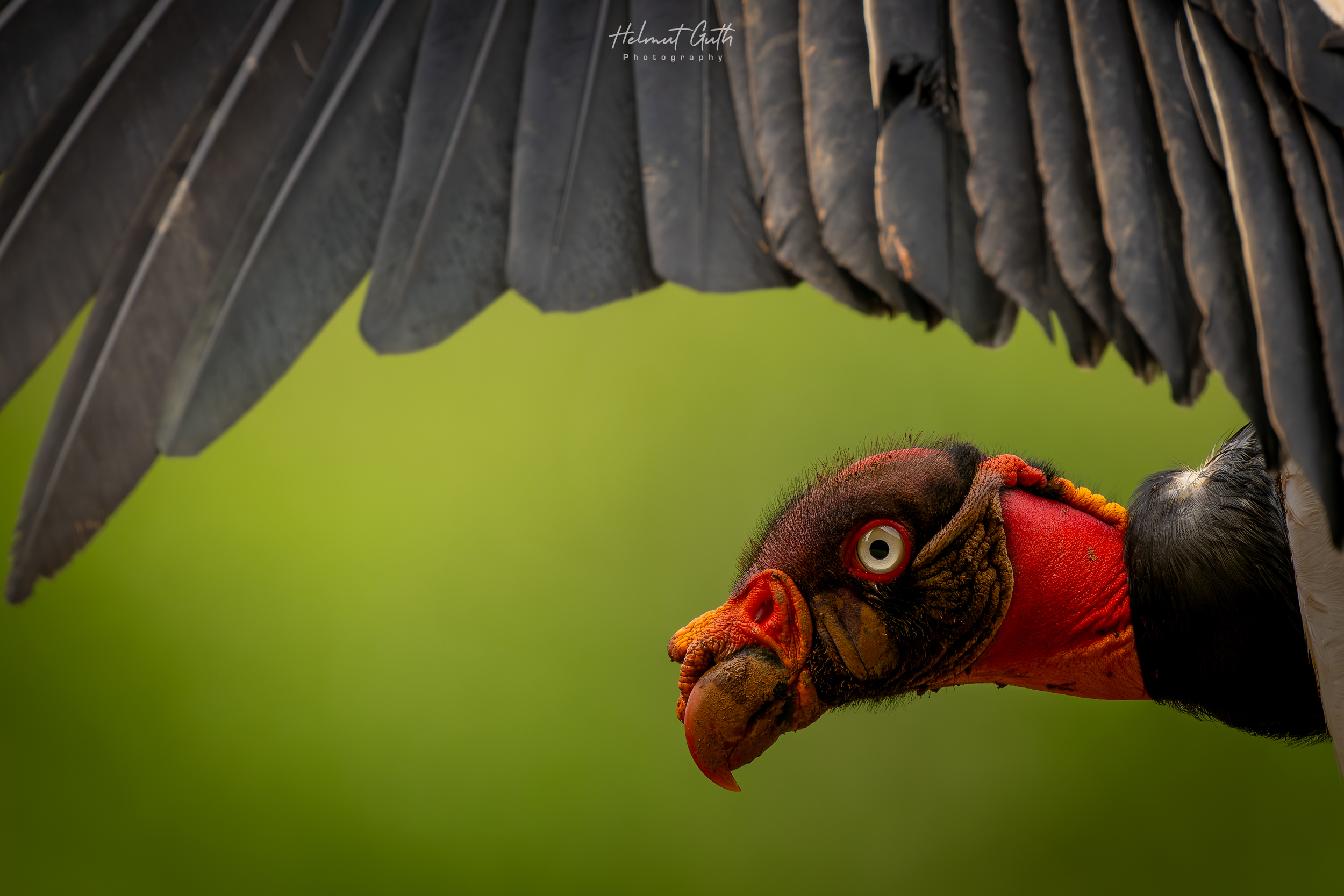
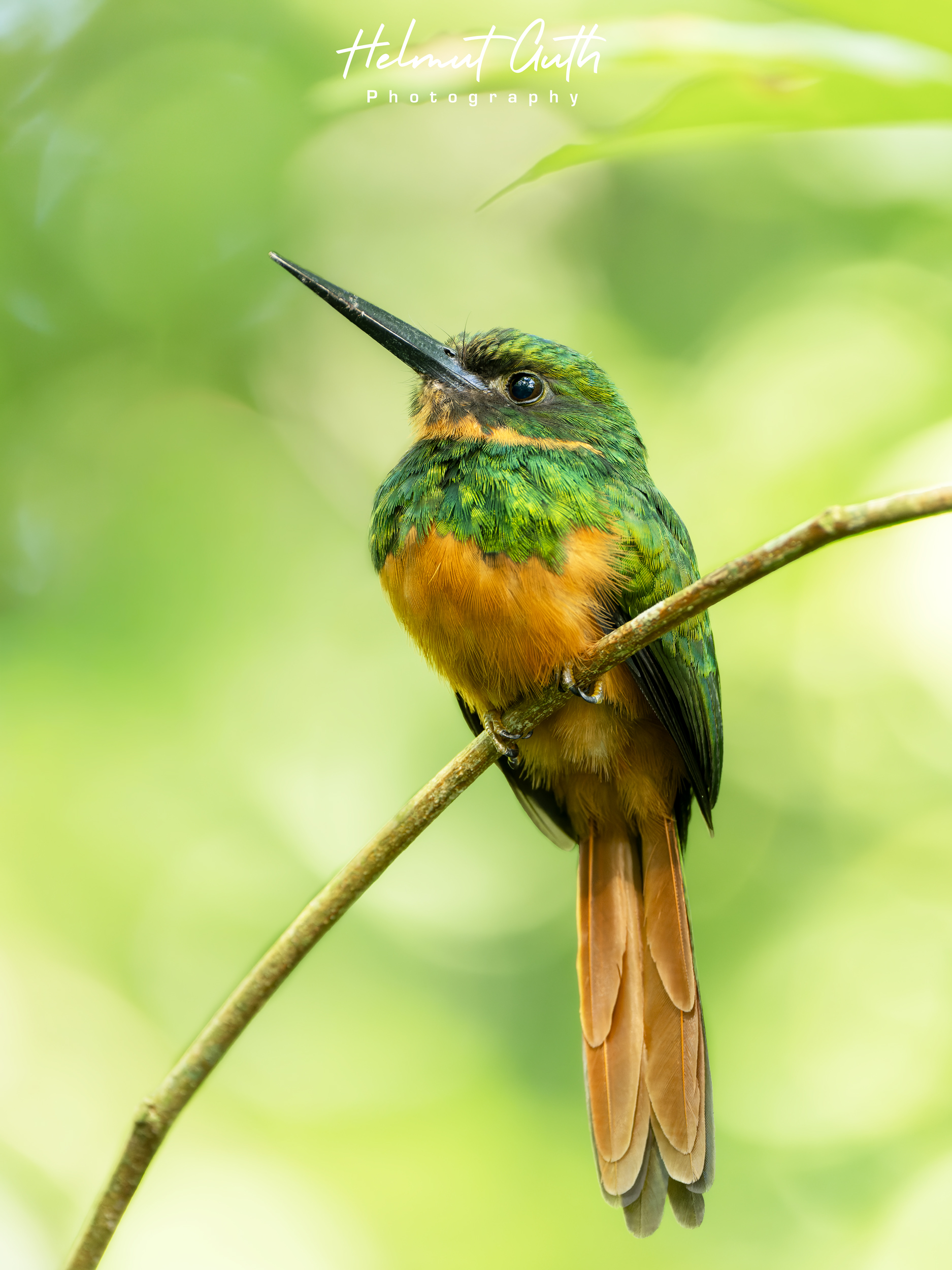
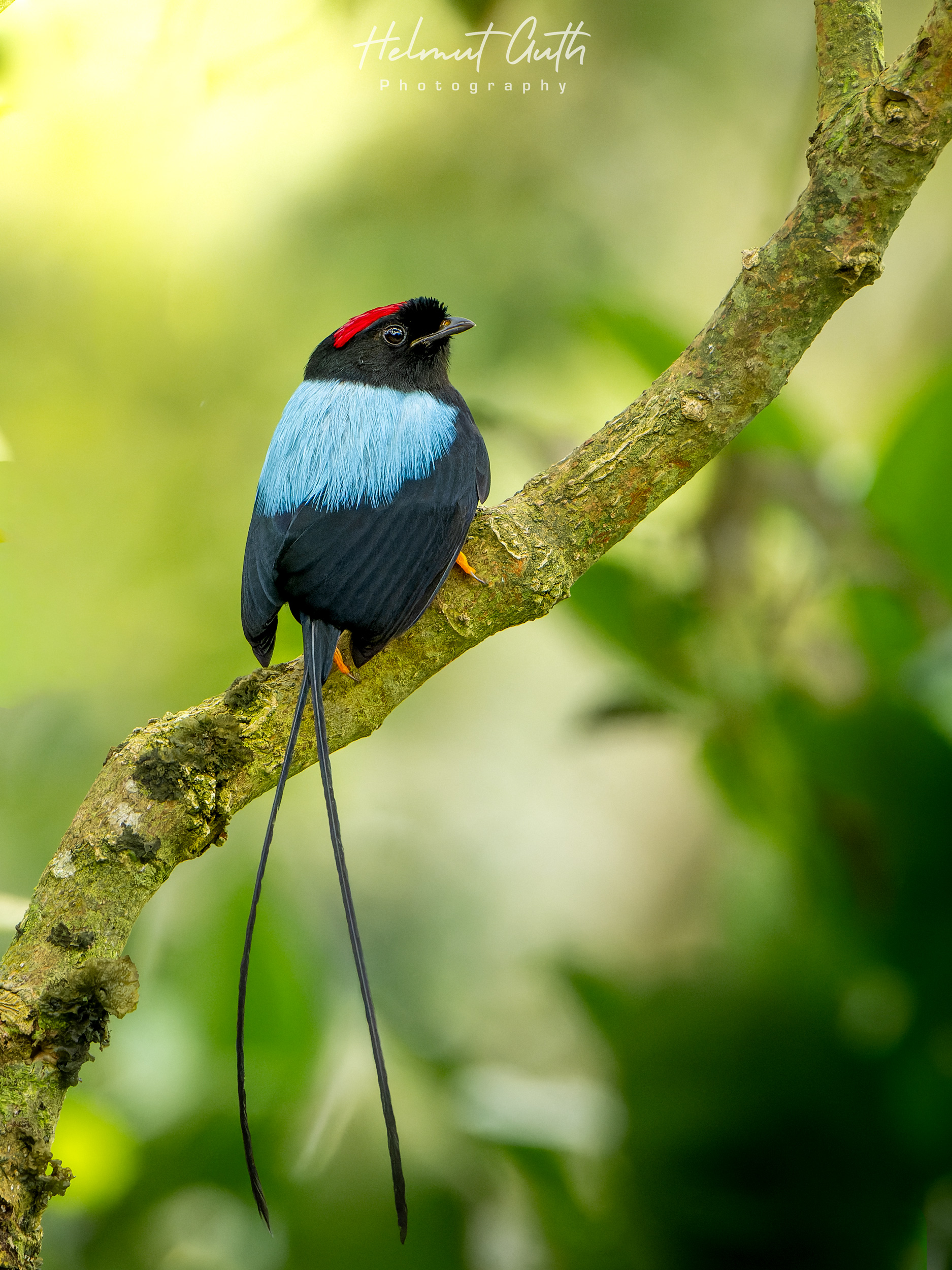
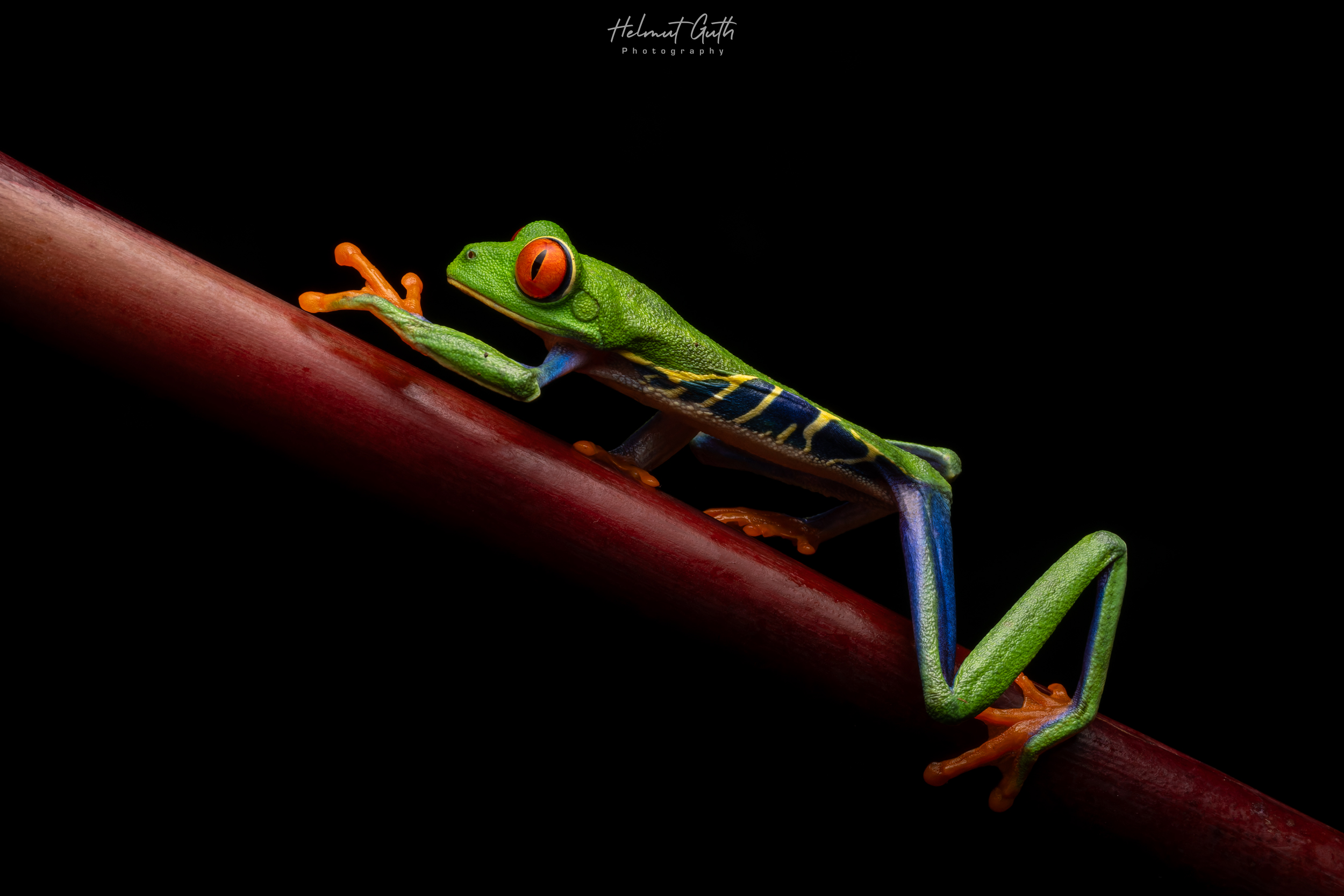
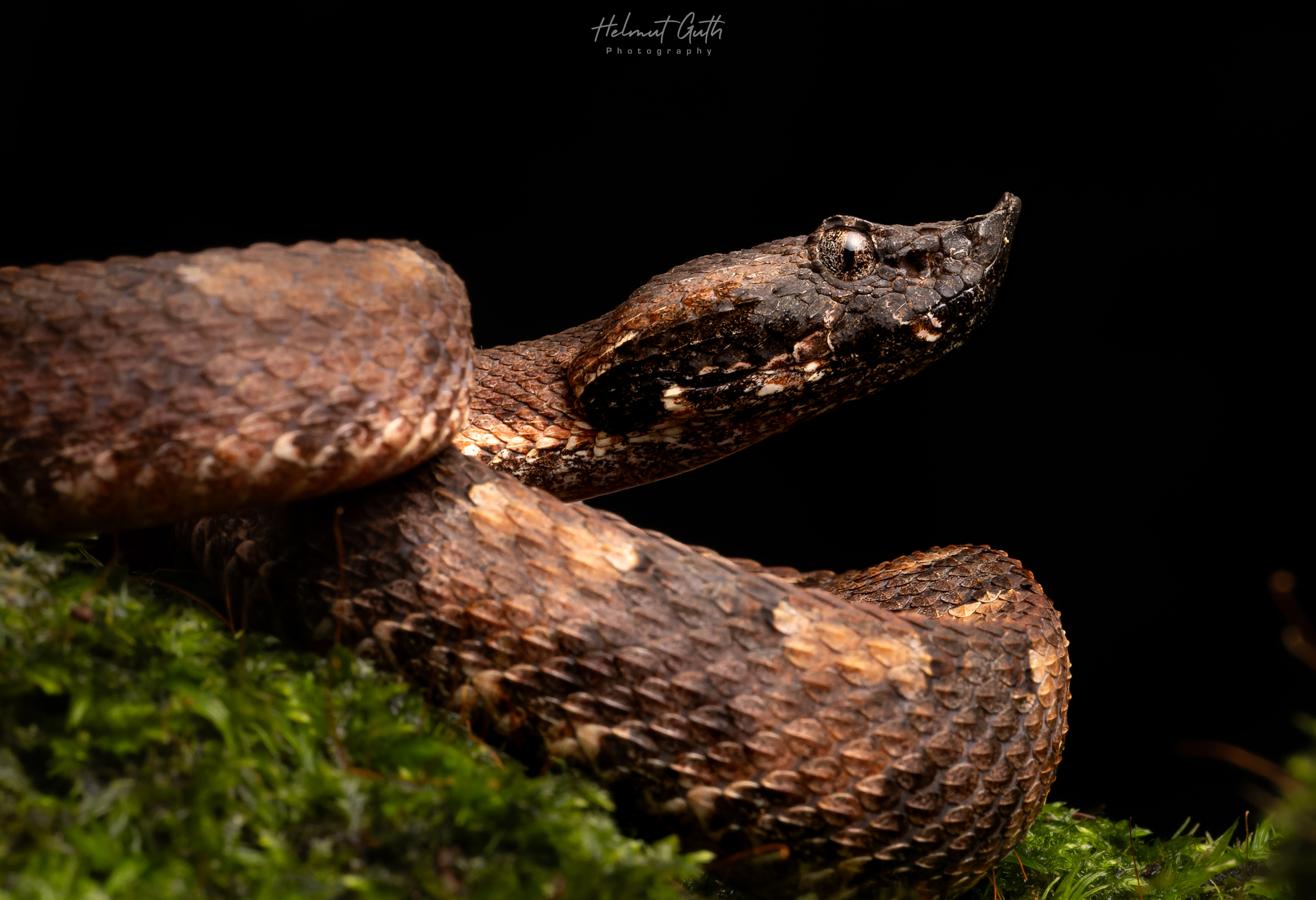
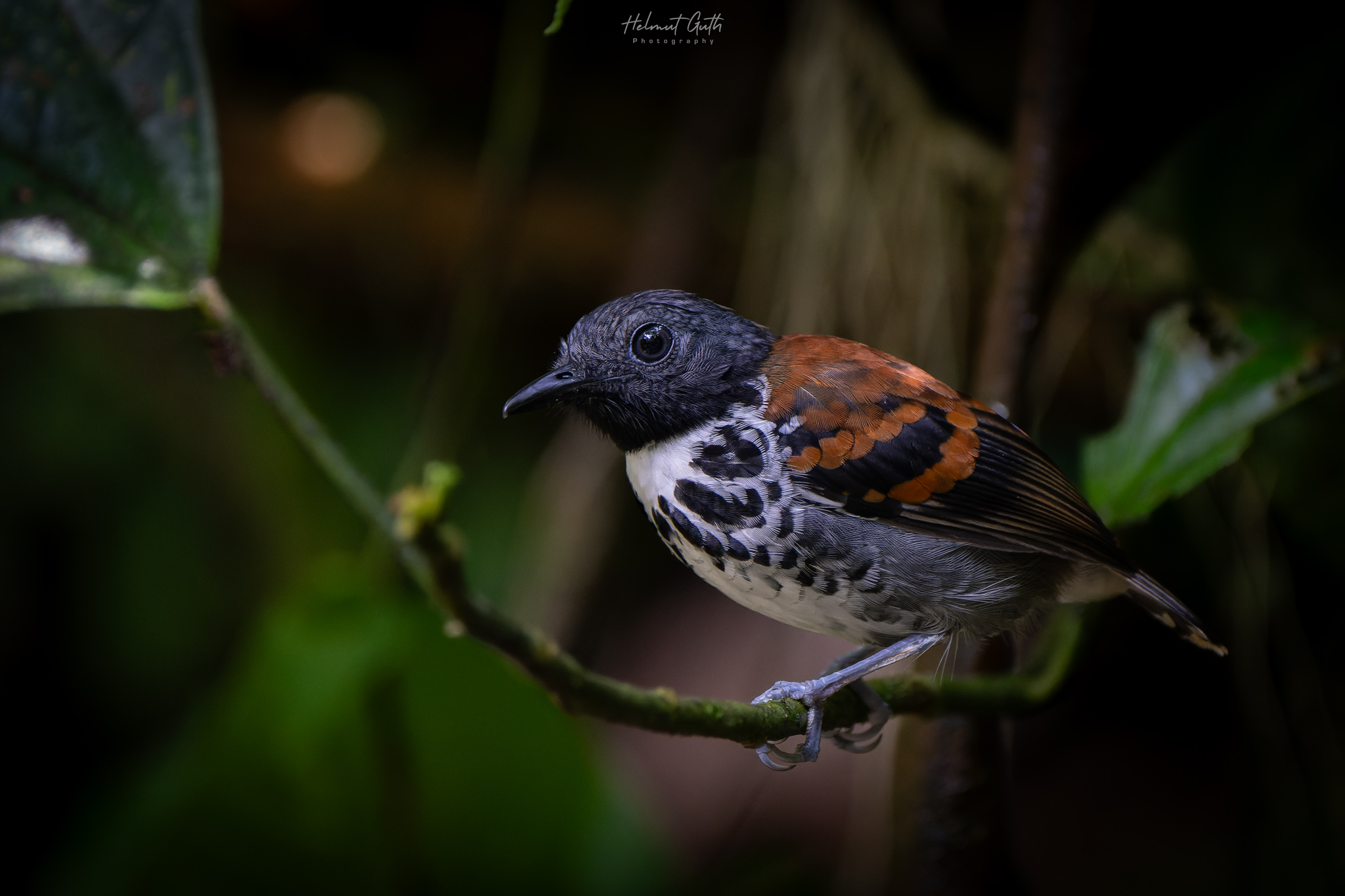
The journey surrounding this experience has been designed to produce a varied photographic portfolio: rainforest birds, specialist feeders and hides, owls, King Vultures, macro subjects, bats in flight, wetland wildlife from private boats, primates, sloths when conditions are favorable, and carefully selected private photography locations.
As throughout all Green Trogon wildlife journeys, the itinerary is designed around the best seasonal opportunities available, while retaining enough flexibility to respond to weather, wildlife movements and current information from our local network.
What this journey is designed to produce
The rookery is the reason for the dates. Around it we build a varied portfolio: specialist hides, feeders, night sessions, macro and two days of wetland photography from private boats.
Day by day
The itinerary is designed around the best seasonal opportunities, with enough flexibility to respond to weather, wildlife movements and what our local network is seeing that week.
-
Day 1
Arrival in Costa Rica
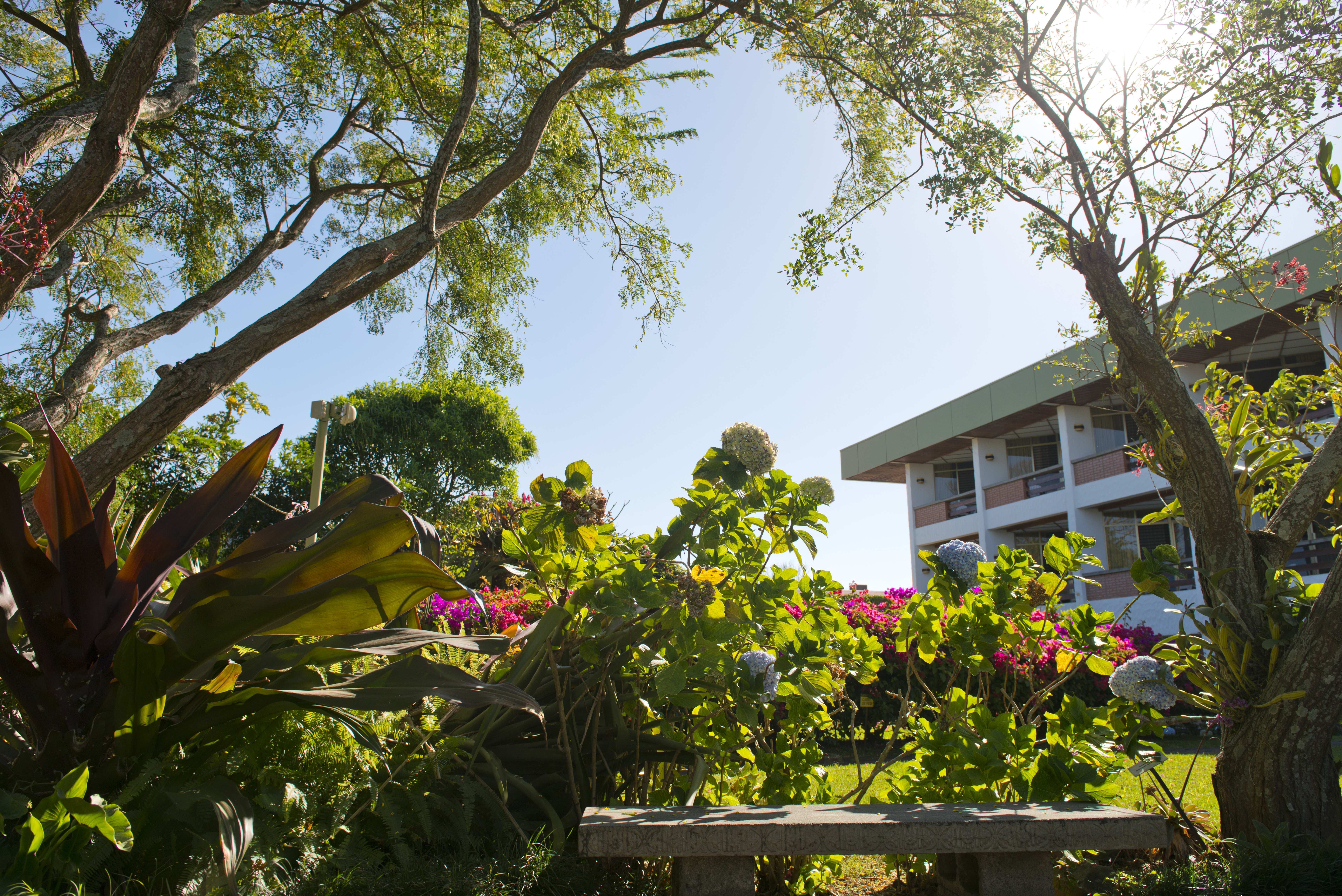
Private transfer, Hotel Bougainvillea gardens
You are met at Juan Santamaría airport and transferred privately to Hotel Bougainvillea. The first afternoon is deliberately relaxed.
If you arrive with daylight left, the hotel gardens are an easy first session: motmots, woodpeckers and hummingbirds a few steps from your room. The evening is for settling in, preparing equipment and going over the journey ahead.
Overnight: Hotel Bougainvillea
-
Day 2
Into the Caribbean lowlands
Cope Wildlife Experience, Pierella, Aranwa Rainforest
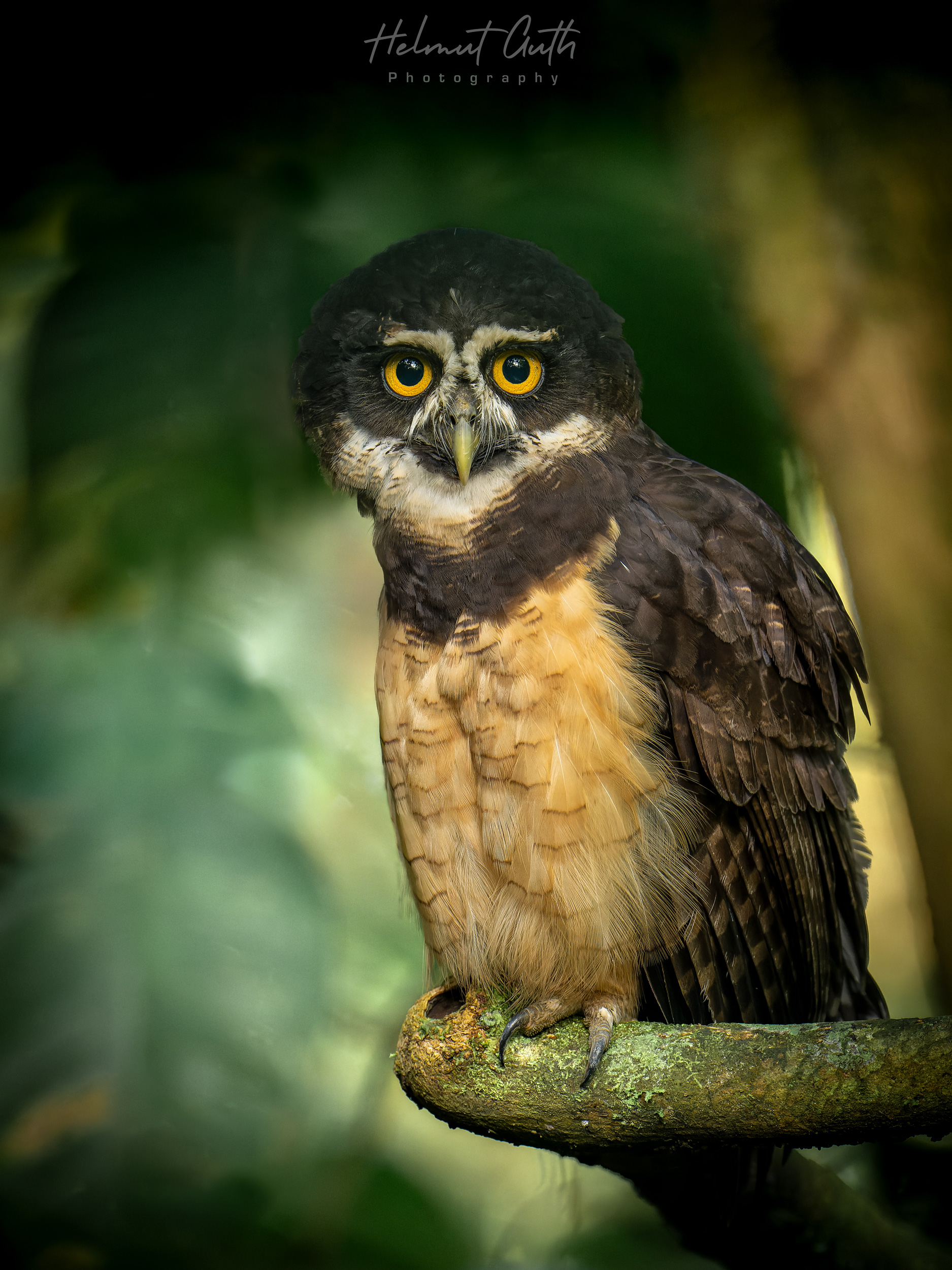
After breakfast we leave the Central Valley and descend into the warmer Caribbean lowlands. Our first dedicated session is with Cope, whose property combines productive feeders with access to nearby forest. Depending on conditions and active roosts, there may be opportunities with owls and potoos alongside hummingbirds, honeycreepers and toucans.
Around midday we continue to Pierella Ecological Garden. Lunch is followed by time on the trails and gardens, a more intimate style of lowland photography that runs from feeders to frogs and sloths. By late afternoon we continue to Aranwa Rainforest.
Overnight: Aranwa Rainforest
-
Day 3
King Vulture photography
Boca Tapada, Laguna Lagarto Lodge
We travel north into the remote rainforest around Boca Tapada, to Laguna Lagarto Lodge, one of the most productive places in the country for bird and wildlife photography.
We begin with one of the specialist sessions of the workshop: the King Vulture hide, a dedicated position with favorable angles and backgrounds when the vultures come in. They are completely wild and their timing is their own, but the hide gives you an unusually strong chance with one of the most striking scavengers of the Neotropics. The rest of the daylight goes to the decks, gardens and feeders.
Overnight: Laguna Lagarto Lodge
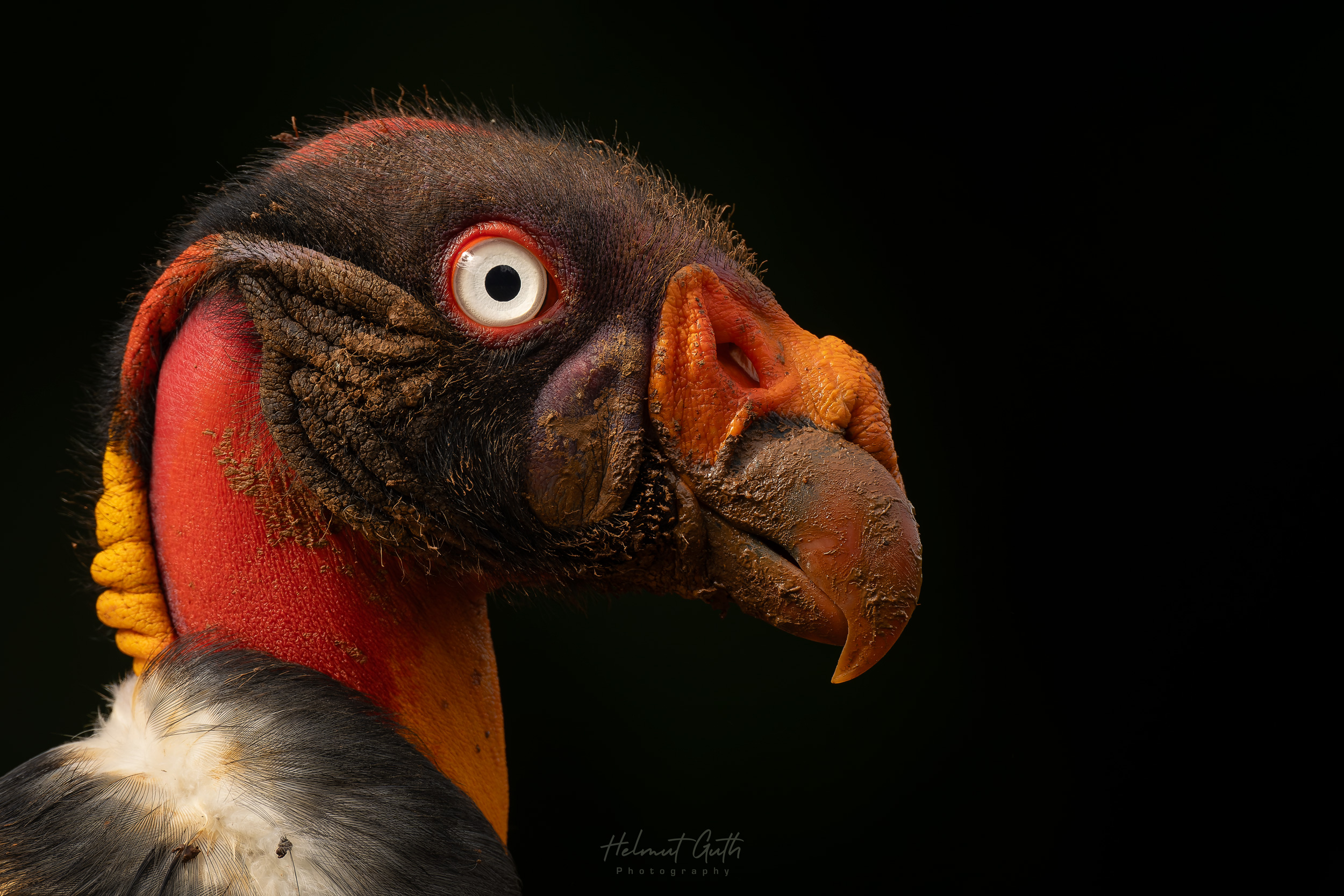
A7RV · FE 600mm F4 GM OSS + 2XTC · 1/500s · f8 · ISO 500 · 1200mm
-
Day 4
Rainforest bird photography
Laguna Lagarto decks and feeders
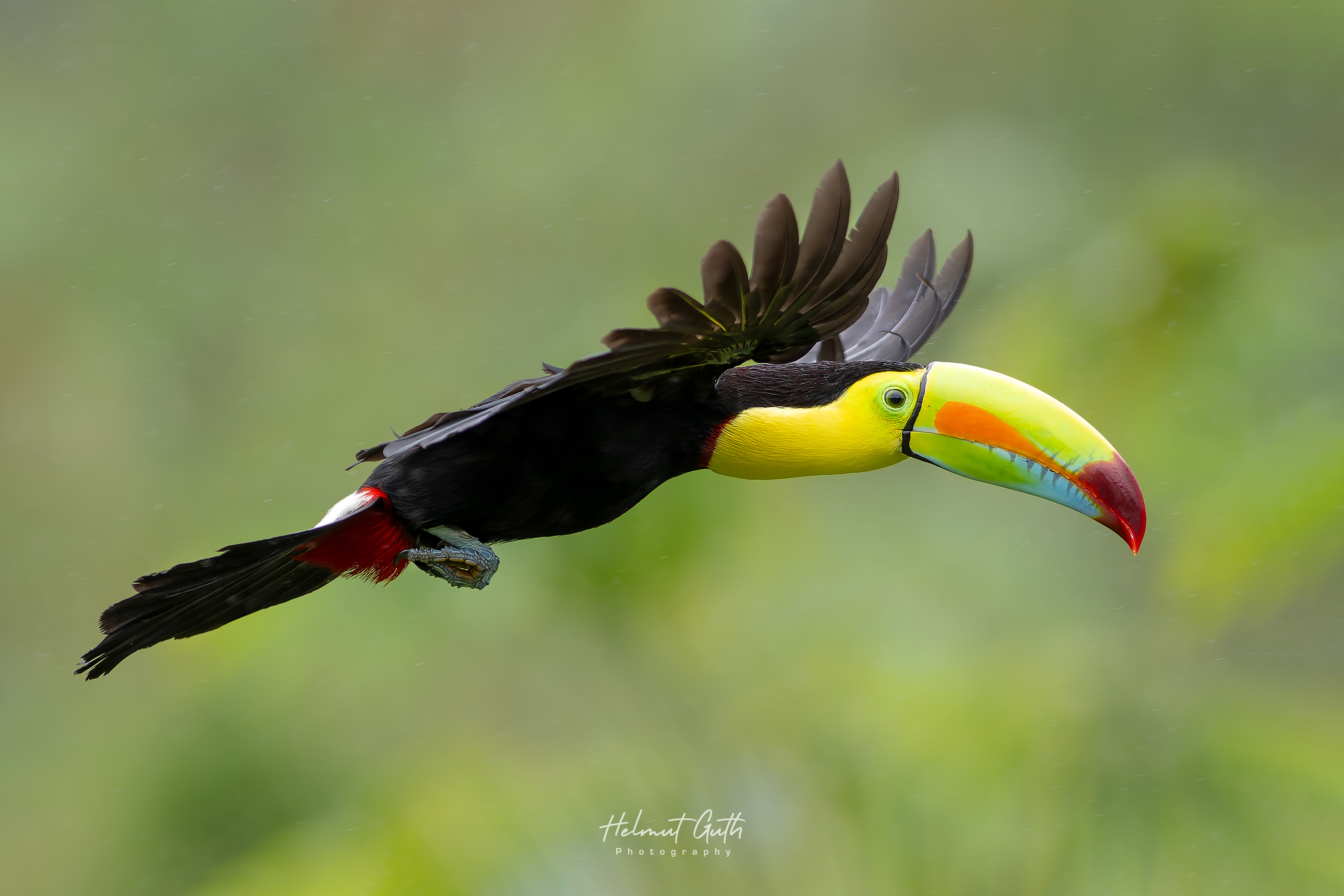
We start early, with the strongest activity around the deck, the feeding areas and the surrounding forest. This is one of those places where staying put is more rewarding than moving: toucans, aracaris, parrots, oropendolas and honeycreepers cycle through all morning.
After lunch and a midday break we return to the same areas. As the heat drops and the forest wakes up again, the deck often produces the most enjoyable photography of the stay. Instead of chasing one difficult species, we let the activity choose the subjects and work on behavior, clean compositions and the changing late light.
Overnight: Laguna Lagarto Lodge
-
Day 5
Macro and bats in flight
Laguna Lagarto, day and night sessions
The morning is another session around the lodge, now more deliberate: returning to productive perches, waiting for a particular behavior, giving time to the subjects that deserve it.
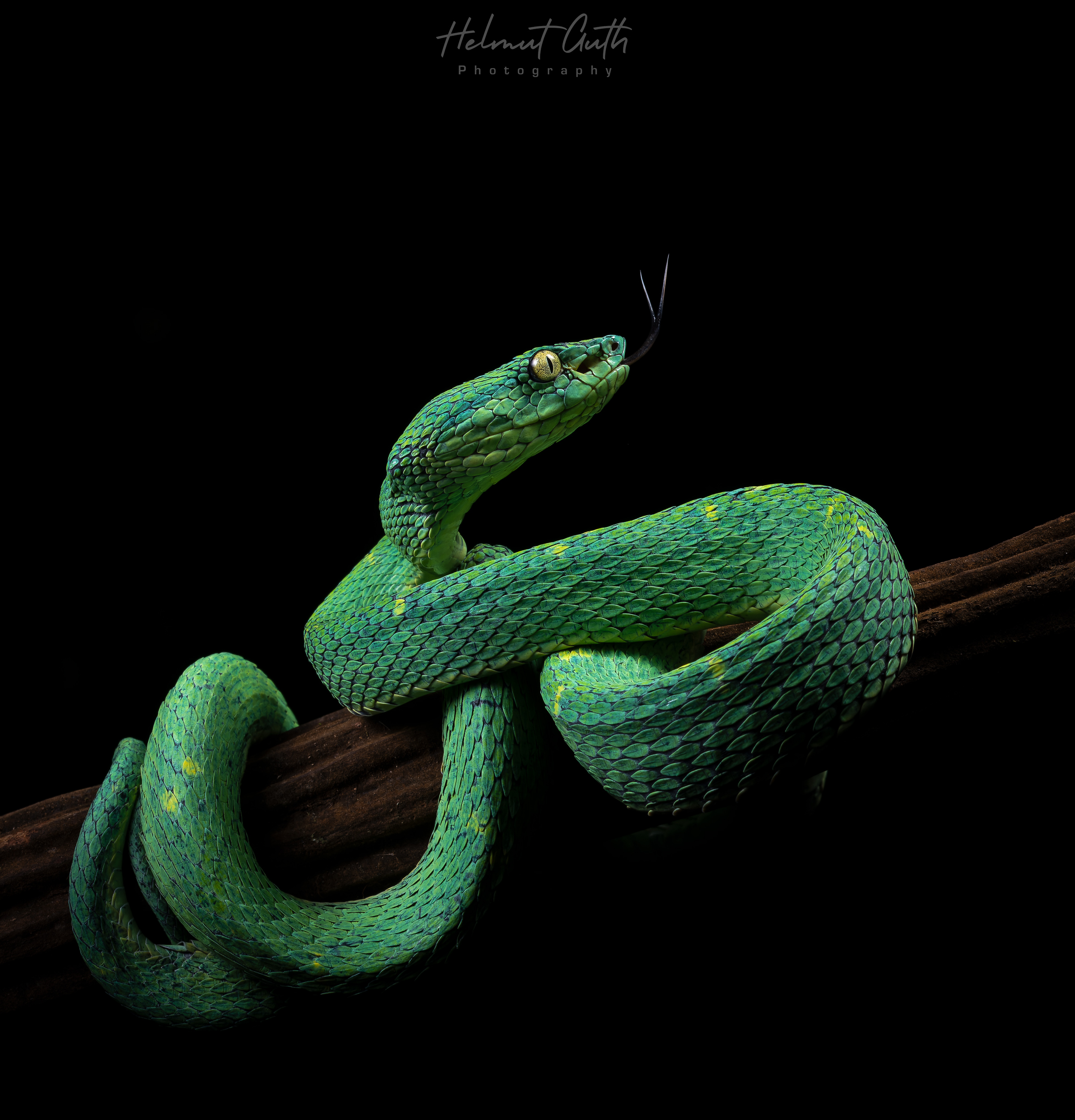
After lunch we turn to the smaller inhabitants of the rainforest. Frogs, reptiles and other macro subjects mean precise focus, depth of field and controlled lighting. After dark comes the most technical session of the workshop: multi-flash bat photography, with synchronized lights that freeze bats in flight in complete darkness.
Overnight: Laguna Lagarto Lodge
-
Day 6
Into the northern wetlands
Medio Queso, Natural Lodge Caño Negro
One last early session at Laguna Lagarto, then we leave the Caribbean rainforest, with lunch on the road, heading for the wetlands of northern Costa Rica.
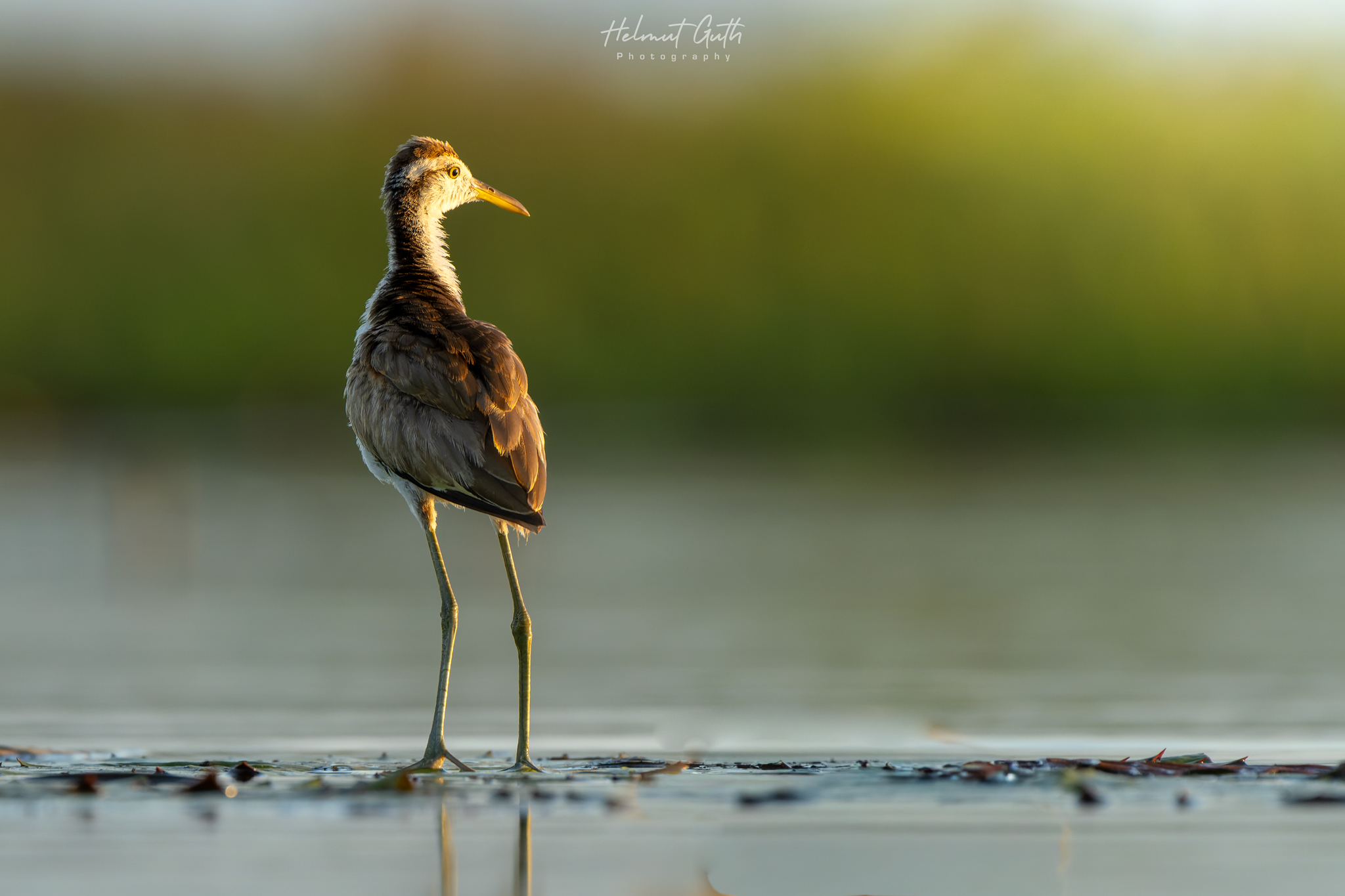
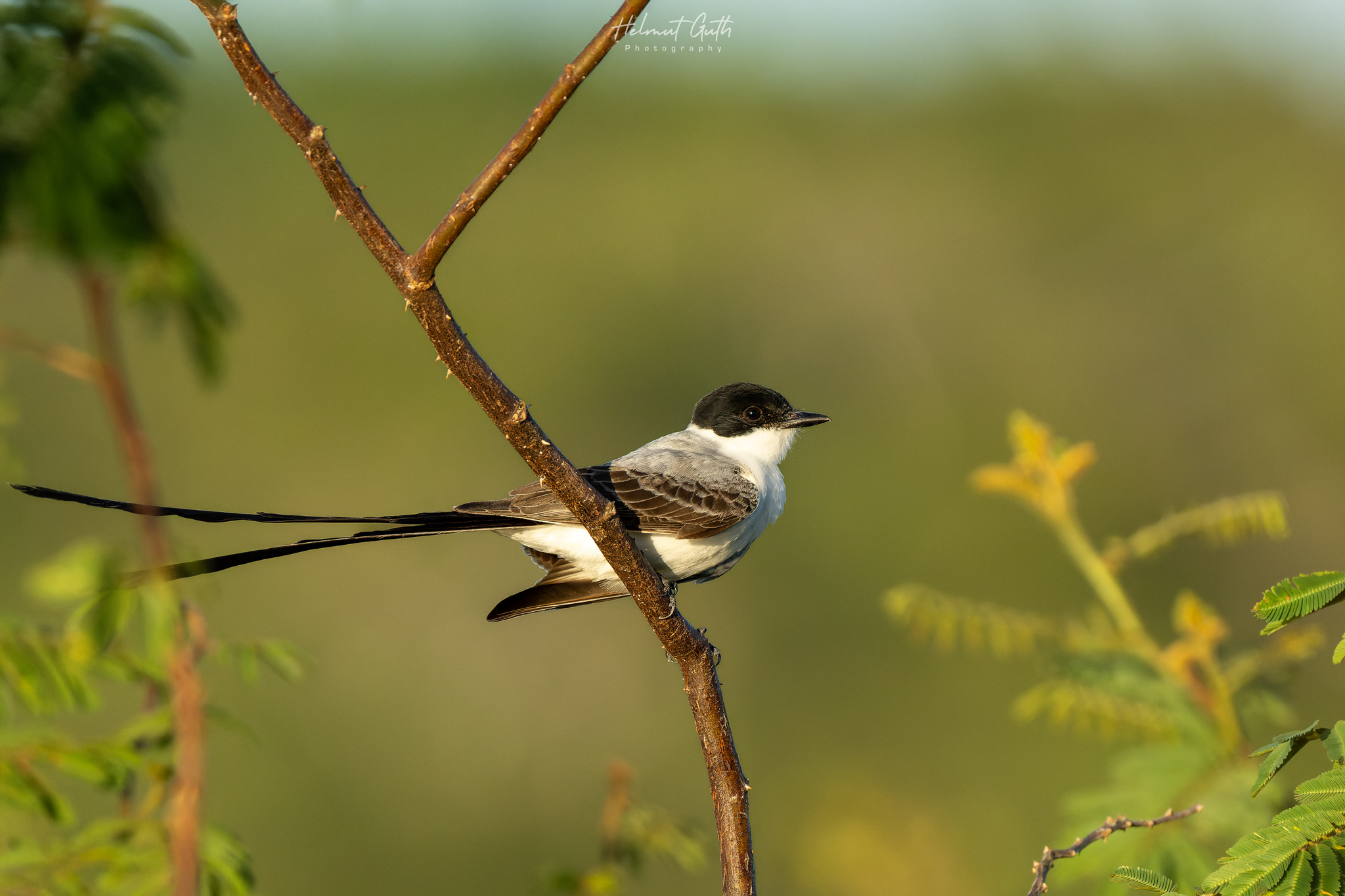
In the afternoon we board a private boat at Medio Queso. Open marshes, aquatic vegetation, reflections and clear flight paths: herons, jacanas, kingfishers and raptors, photographed from lower angles than the shore allows. Later we check in at Natural Lodge Caño Negro, organize gear and charge batteries for a long day on the water.
Overnight: Natural Lodge Caño Negro
-
Day 7
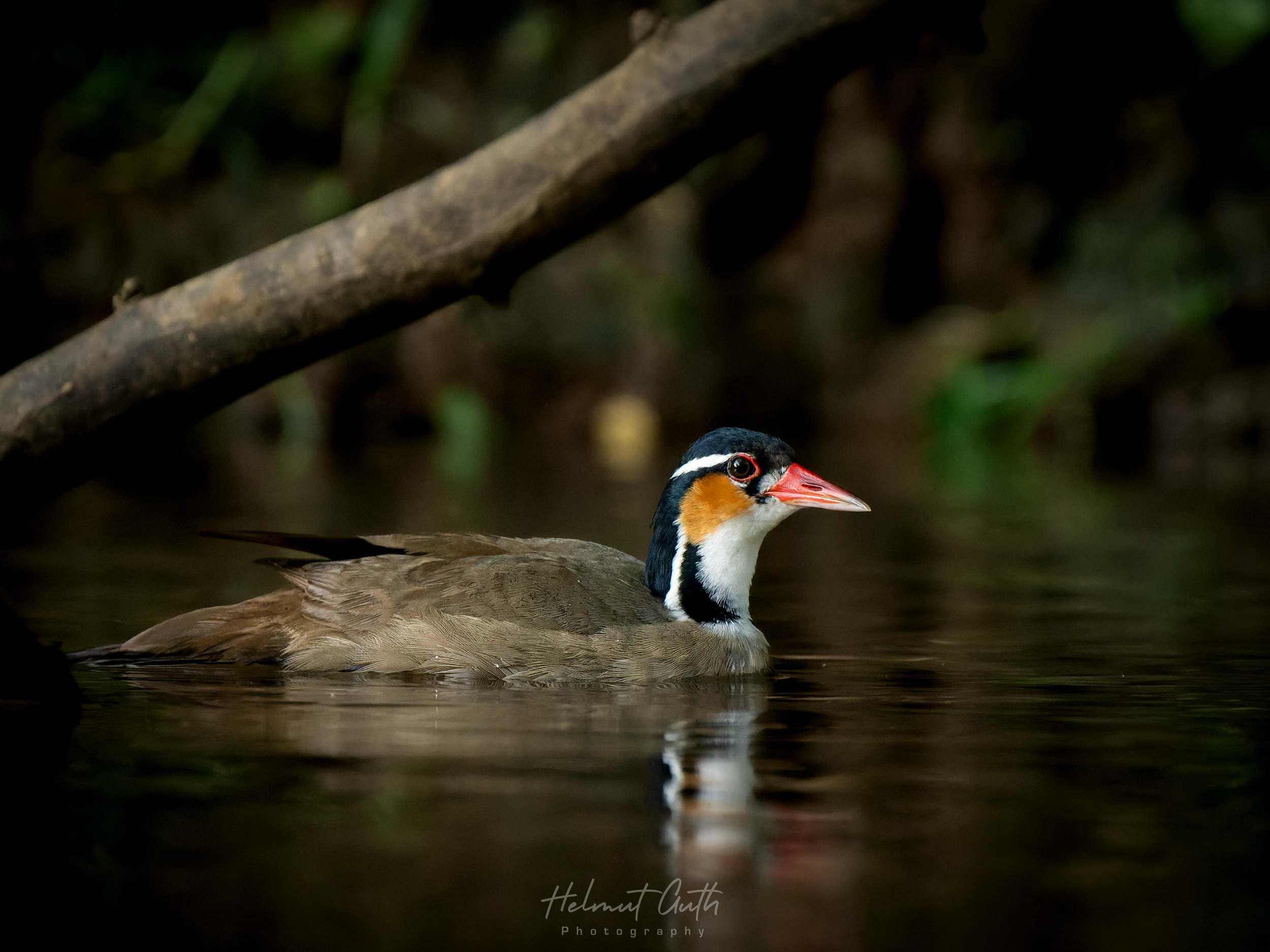
Caño Negro by private boat
Two dedicated sessions with Chambita
The day belongs to the water, with Chambita, our boat captain and fellow photographer. He does not simply approach wildlife: he reads boat position, distance to the background, angle and light the way a photographer does.
The early session lasts three to four hours, when the cool morning brings the best activity and a dedicated boat lets us move slowly and stay with cooperative subjects. We return for a late brunch and a midday break, and head back out in the afternoon for a shorter session, when the changing sun opens possibilities the morning did not have.
Overnight: Natural Lodge Caño Negro
-
Day 8
The Agami Heron rookery
The signature experience, then Arenal Observatory Lodge
This is the day the whole workshop is timed for. We leave early and drive about two hours to the rookery, hidden in the wetlands, one of the largest known concentrations of Agami Herons in Costa Rica.
Our visit falls in the early nesting stage, when adults carry nesting material from the surrounding bushes and forest. Those repeated movements create recognizable flight routes into the colony, so you can anticipate the birds instead of reacting to them. Reaching the best photographic side means crossing the marsh in a small boat that carries two photographers at a time, which lets us work carefully around a sensitive breeding site.
The closest perches sit about 20 meters away and others around 30, so a long super-telephoto earns its place. At this stage adults may show the plumage that makes the species so distinctive: deep chestnut, silvery blue on the neck and subtle iridescent greens. We spend the morning with the colony rather than treating it as a stop. In the afternoon we travel to Arenal Observatory Lodge and use whatever light is left on the property, where spider monkeys often move through the canopy.
At the rookery, in numbers
- Working distance
- Closest perches about 20 m, others around 30 m
- Key lens
- Long super-telephoto, prime or zoom
- Access
- Small boat across the marsh, two photographers at a time
- Site care
- A sensitive breeding colony, worked slowly and respectfully
Overnight: Arenal Observatory Lodge
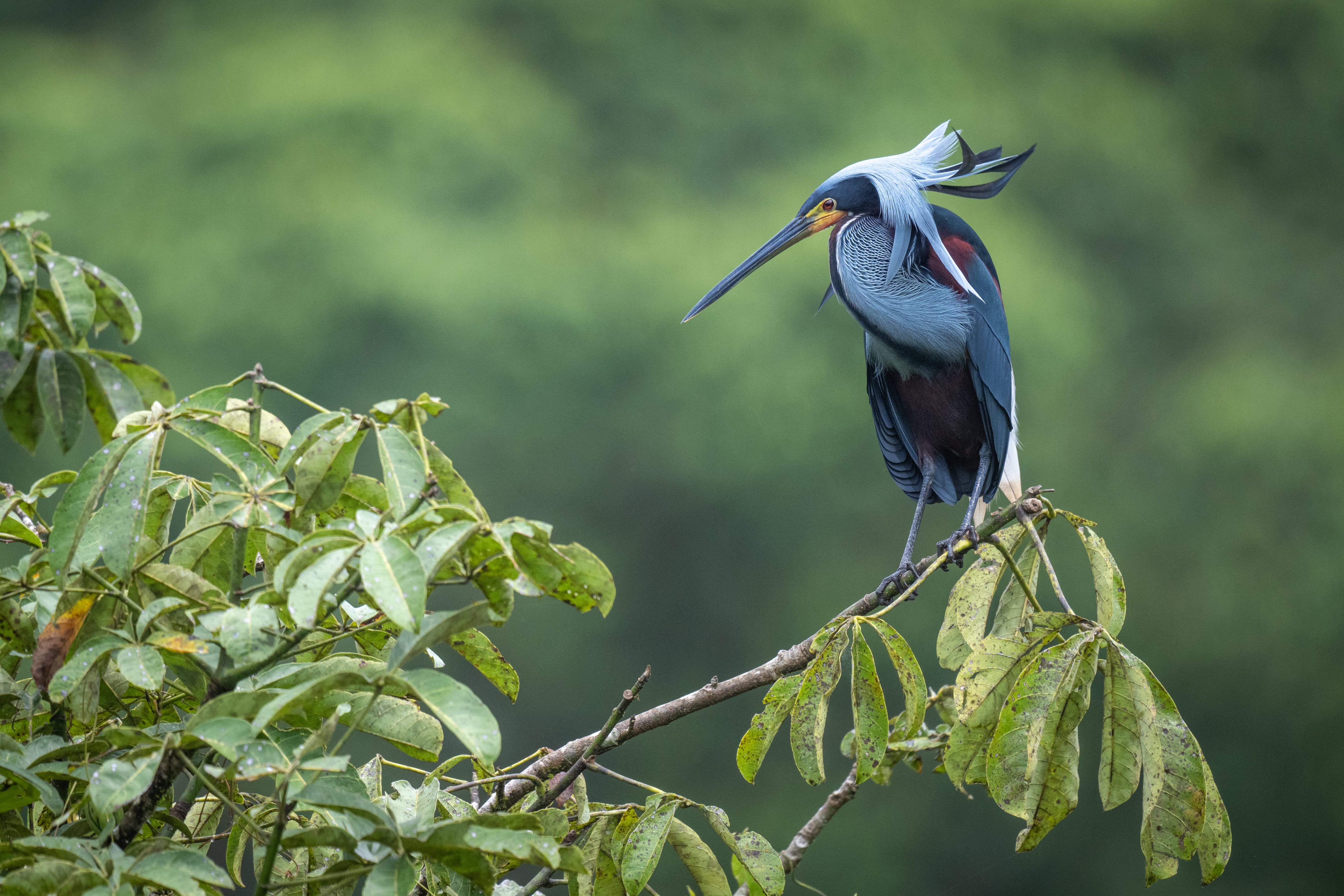
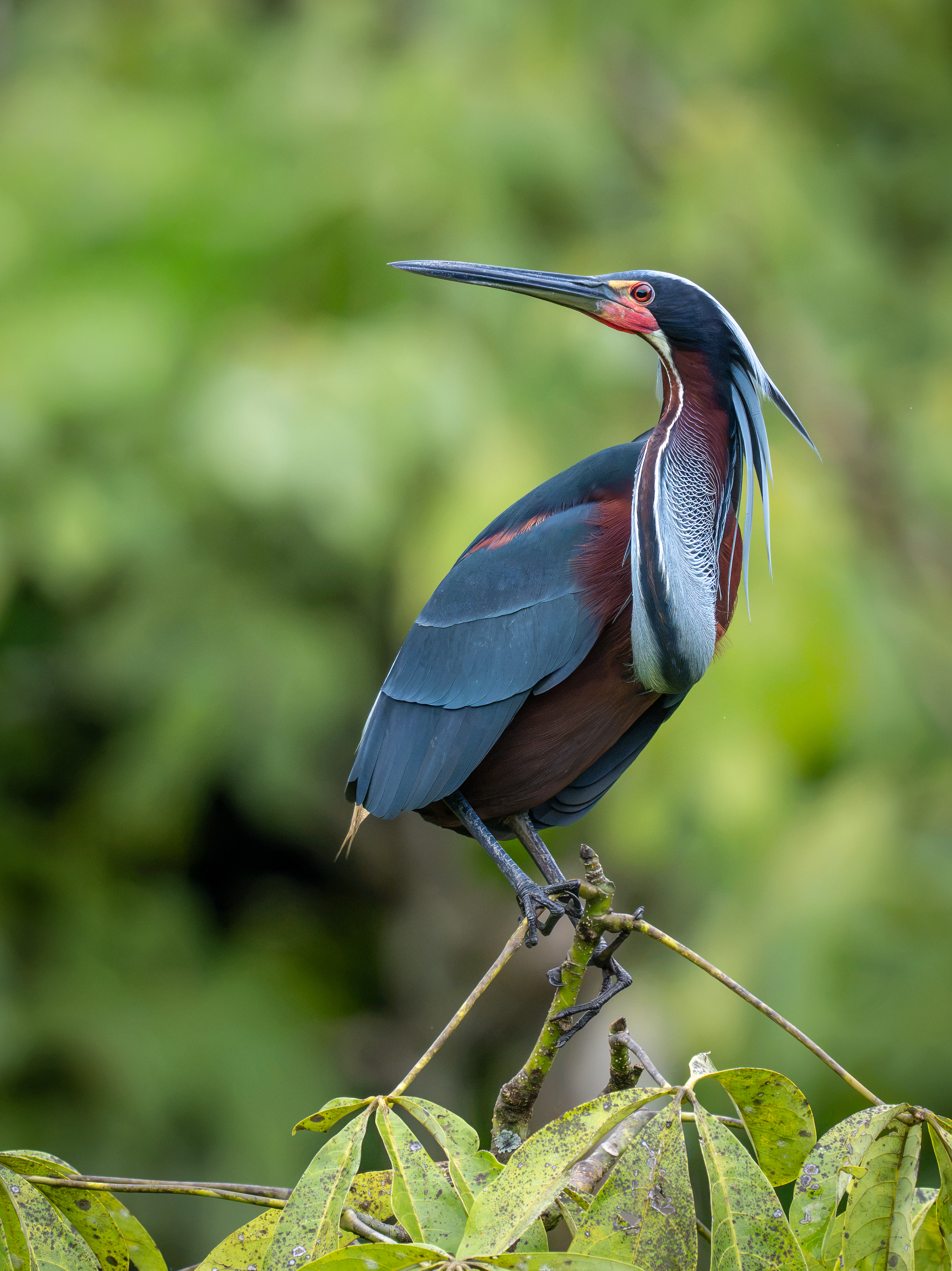
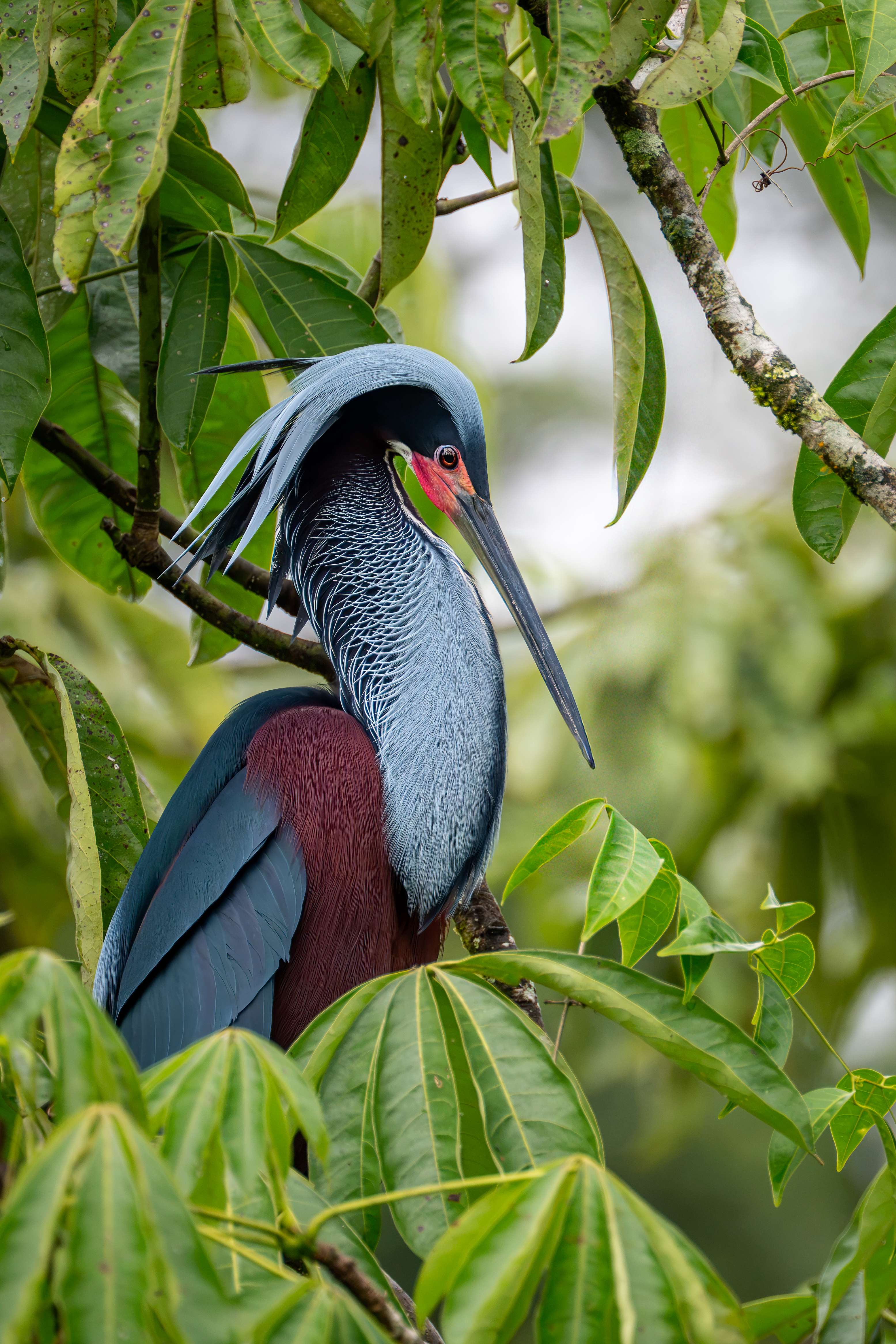
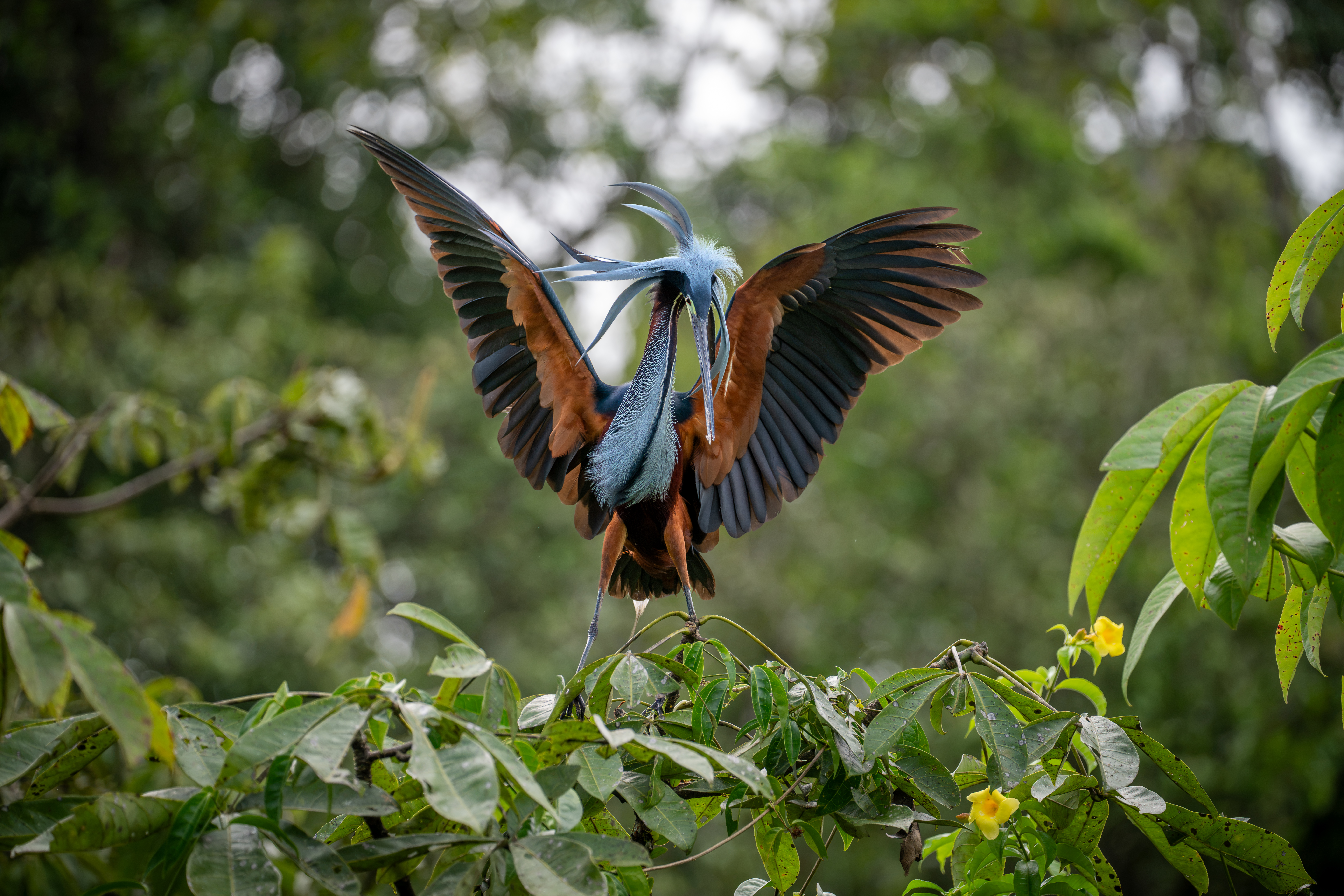
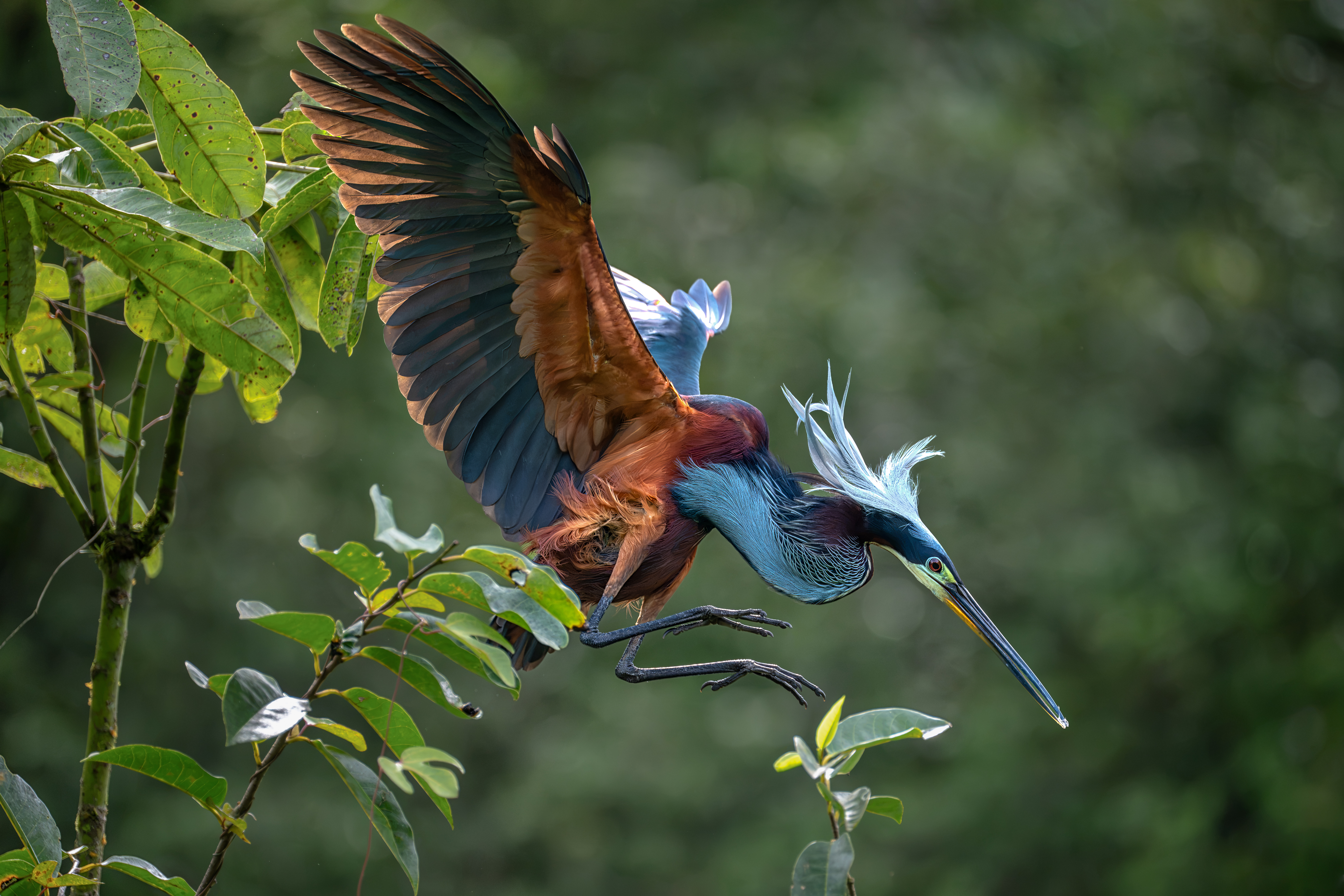
Photo: Steve Porter
-
Day 9
Caribbean foothills
A full day guided by current wildlife activity
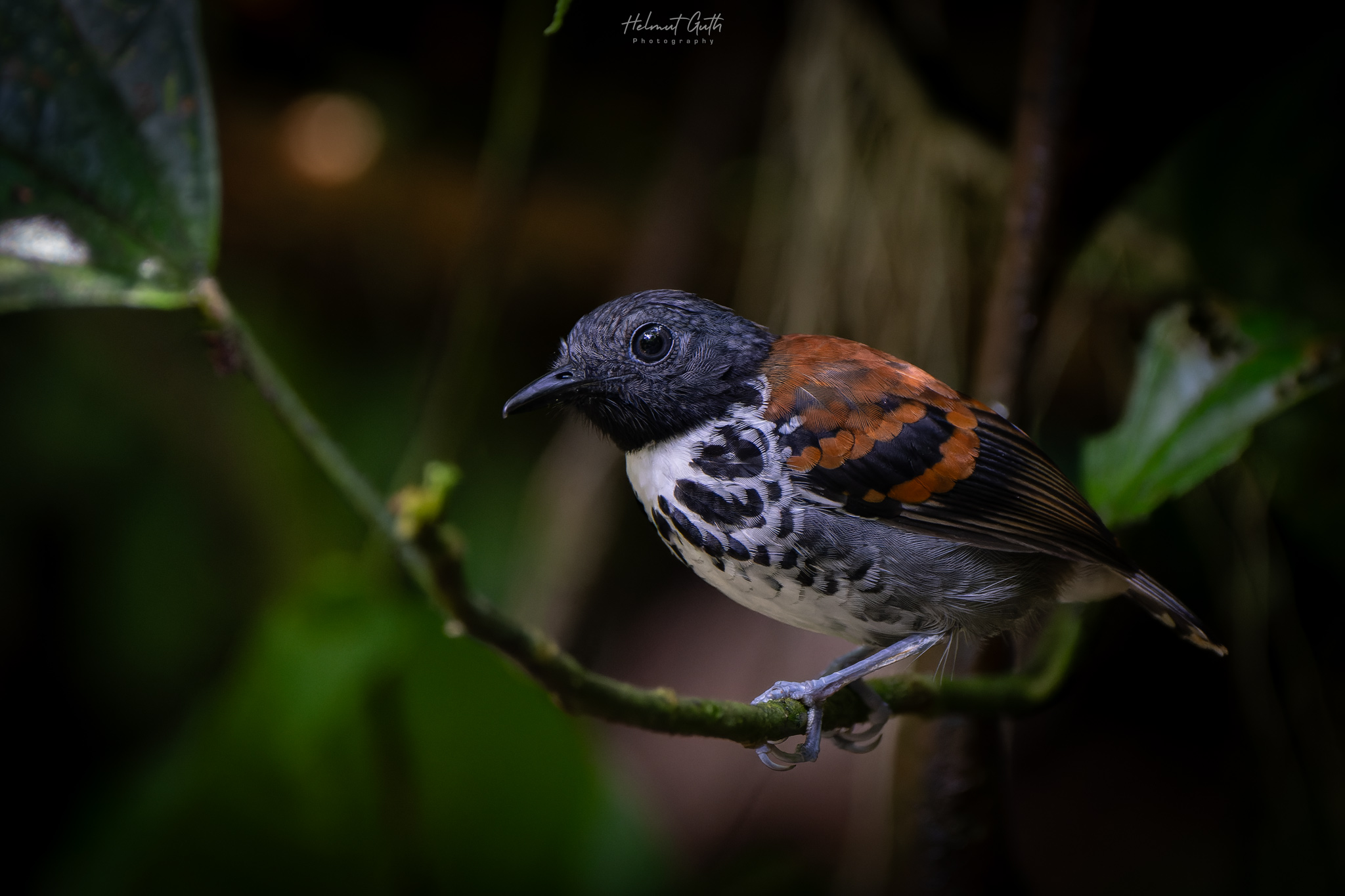
The grounds mix mature forest, secondary growth, gardens, edges and open views, so we move between very different situations without spending the day in the vehicle. Birds, monkeys, coatis and other rainforest wildlife form the core of the day, and the plan stays flexible.
If the afternoon weather cooperates, we may visit Bogarín Trail, where sloths can give excellent close-range opportunities. We do not add private sites simply because they exist: our local network tells us whether an excursion is worth making, for example Papa's Place when there is recent word of sloths resting in clean positions or a White-tipped Sicklebill visiting flowering heliconias. If those opportunities are not strong, we stay where the photography already is. That flexibility is intentional.
Overnight: Arenal Observatory Lodge
-
Day 10
Tanager feeders and a final opportunity
Arenal to San José, Trapp Family Country Inn
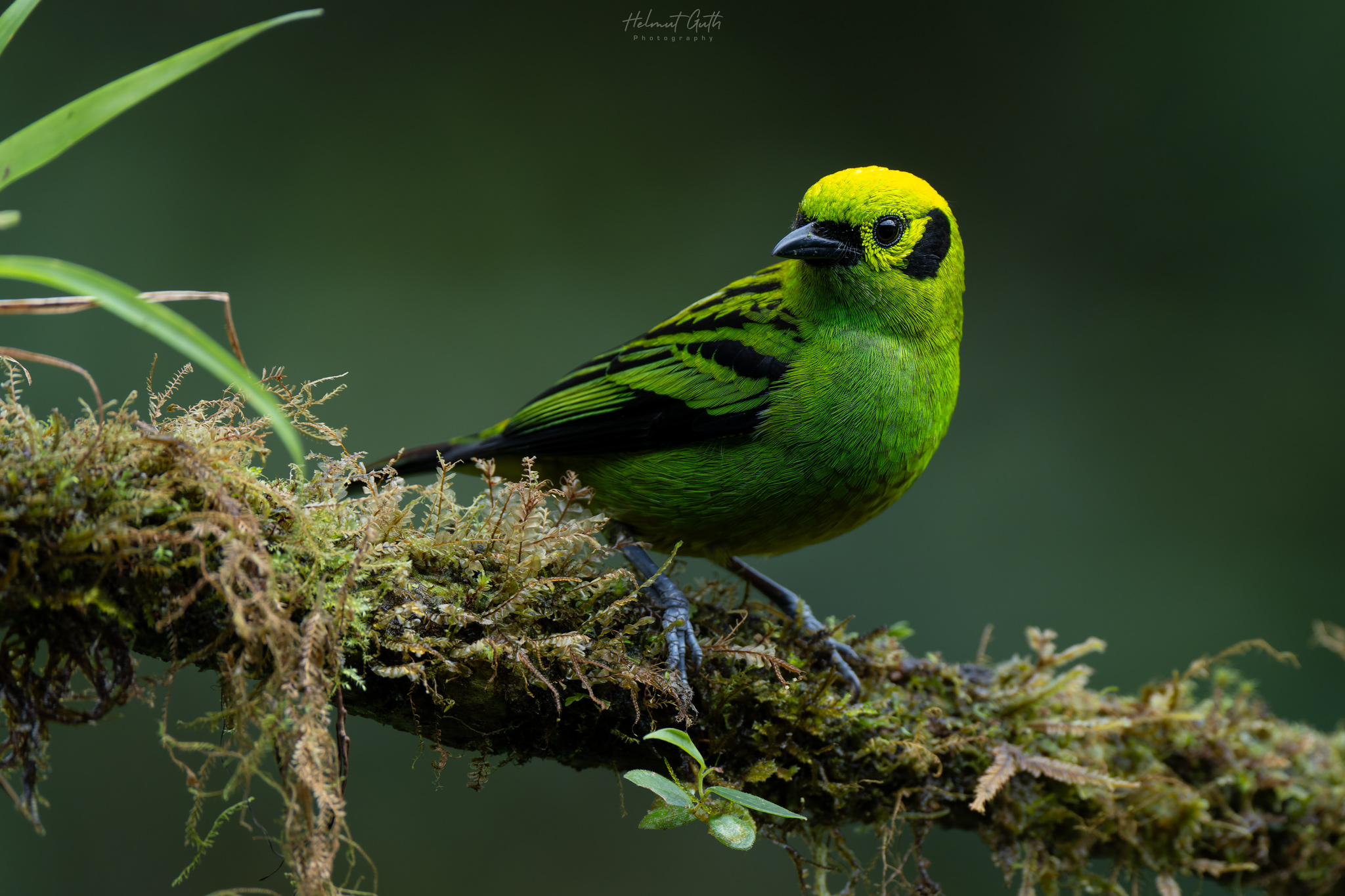
The return toward San José is designed as another photography day, not a transfer. The first stop is a productive tanager feeding station: clean backgrounds, natural perches, controlled compositions and softer mountain light.
After that we stay flexible. Nacho, our local partner, keeps us informed about what is developing in the region in the days right before the trip. The final session might be long-tailed manakins at a reliable spot, active quetzals, a productive raptor nest or sunbitterns. Rather than asking wildlife to follow an itinerary written months in advance, we put the group where the strongest opportunity is at that moment.
Overnight: Trapp Family Country Inn
-
Day 11
International departures
Private transfers to Juan Santamaría airport
After breakfast, private transfers to the airport according to your flight schedule. Ten nights across Caribbean rainforest, specialist hides, night photography, northern wetlands and the Agami Heron breeding colony, and the workshop comes to an end.
Your leader for this workshop
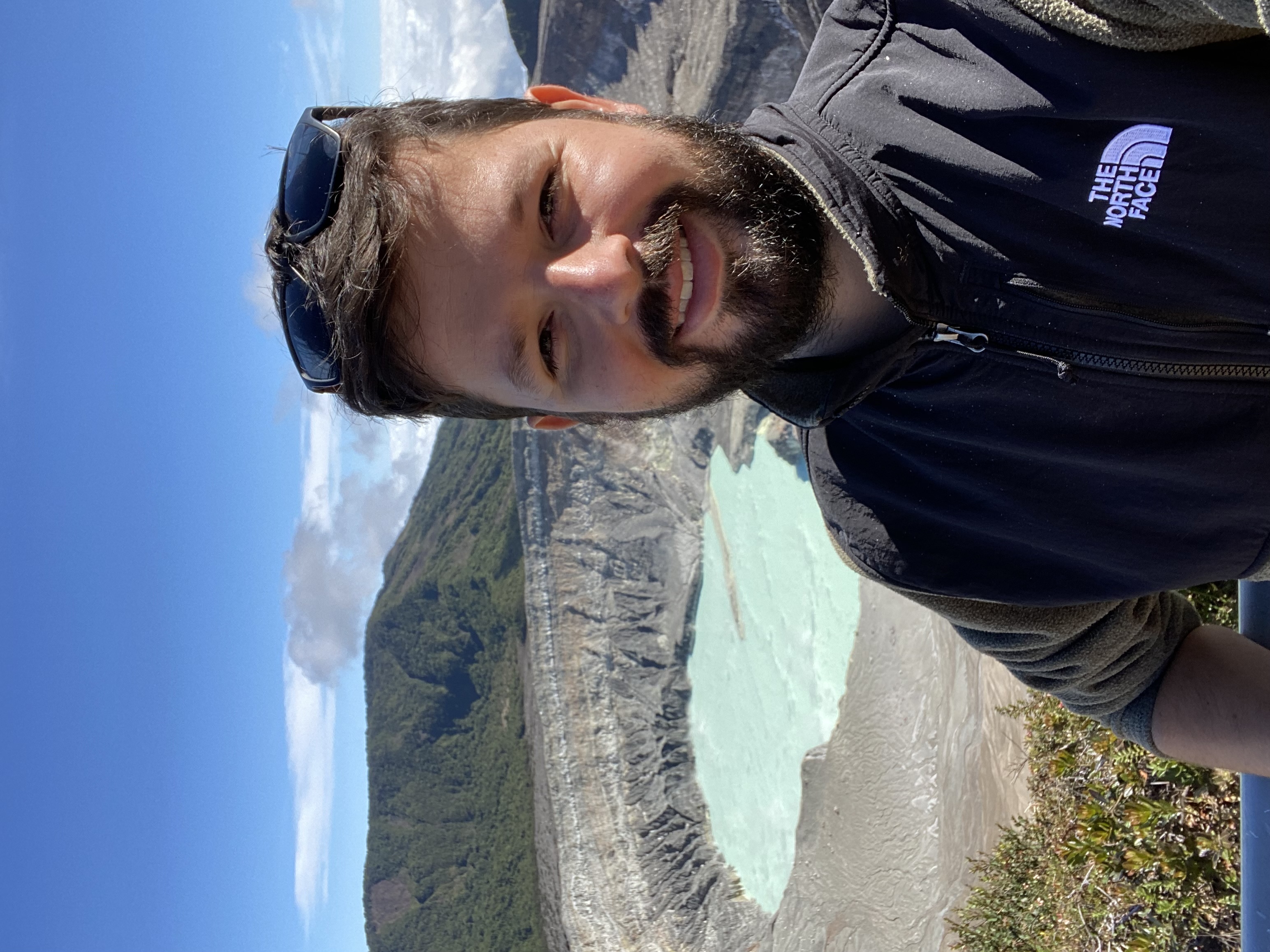
Helmut Guth
Costa Rican nature photographer, bird expert and co-founder of Green Trogon Expeditions
Born and raised in Costa Rica, Helmut has spent his career combining three things that naturally belong together: birds, photography and field experience. Trained as a photographer and in ecotourism, he specializes in bird photography and ornithological travel, guiding photographers and birders throughout Costa Rica and beyond in English, German and Spanish.
As founder of Green Trogon Expeditions, he designs and leads photography journeys around the seasonal opportunities, local knowledge and field conditions that make the difference between simply seeing a subject and creating a memorable image. His approach combines an intimate knowledge of Costa Rica's birds and their behavior with a photographer's understanding of light, backgrounds, positioning and anticipation.
He also works regularly with international tour operators as a photography pro and bird specialist, helping photographers of different experience levels improve in the field while making the most of each wildlife encounter.
- LanguagesEnglish, Spanish and German
- Based inSan José, Costa Rica
- Works withPhotographers, experienced birders and beginners
Price and reservation
- Photographer, shared room
- USD $7,500
- Deposit to reserve
- 20%
Dates are fixed by the nesting cycle, so this workshop runs once a year and the group is small.
Secure checkout by WeTravel. Your deposit reserves one of the 6 places.
Prefer to ask something first? Send your requestWhat guests say about traveling with Green Trogon
Photographing birds in the forests of Costa Rica was a trip of a lifetime. Helmut was instrumental in helping my wife and me achieve the photographs we were striving for: a patient teacher, always available for help with compositions, settings and even the sometimes-needed bird call. He is a stellar photographer in his own right, but more importantly, a good person with a good heart.
Thank you hardly says how wonderful a tour leader you are. You make each of us feel special and valued as guests. I have learned so much about birds, Costa Rica and photography from you. I would sign up to be on one of your tours anytime.
On our nature trip through Costa Rica you were a competent and dedicated guide and driver. Beyond that, you were friendly and helpful. Your good German made communication much easier for us.
Questions about this workshop
Which lens should I bring?
For the Agami Heron rookery, reach matters. A long super-telephoto prime or zoom is strongly recommended, particularly for detailed portraits at working distances of about 20 to 30 meters, while enough flexibility for birds in flight is equally valuable. Our clients have produced excellent results throughout the 400 to 800 mm range. Zoom lenses are especially useful on this workshop because subjects, distances and shooting situations can change quickly: a 200-600 mm, 100-400 mm, 200-800 mm or 100-500 mm are all excellent choices. Shorter focal lengths are also very useful for environmental compositions.
Do I need a macro lens?
A dedicated macro lens is highly recommended for our rainforest macro sessions. Lenses in the 105 to 110 mm range are particularly useful: they offer excellent detail while letting you keep a more comfortable and respectful working distance from frogs, reptiles and other small subjects.
How demanding is it physically?
Most of the photography on this workshop takes place from decks, hides and boats rather than on long hikes, but you should be comfortable with early starts, short walks on uneven or muddy forest trails, and getting in and out of small boats several times during the trip. You should also be able to carry your own gear over short distances and work comfortably with a heavy telephoto lens for extended periods. Conditions are typically warm and humid, with cooler temperatures during early mornings on the water.
What is the weather like in June?
June is part of the green season. Mornings are often clear and afternoons can bring rain, which is exactly why the itinerary stays flexible and why we work early and late. Bring rain protection for you and for your gear.
Can my partner come without photographing?
Yes. Companions travel at a different rate, share the lodges and transport, and can join or skip any session. Tell us in advance so we can plan rooms and boat spaces.
What is the cancellation policy?
See our payment, deposits and cancellation policy. We recommend travel insurance that covers trip cancellation and medical care.
Reserve your place in the Agami Heron workshop
You can book directly with your deposit, or talk with us first if you still have questions about gear, fitness or travel.
Book your place
Six places, one departure a year. The deposit confirms your spot and we send the full preparation pack right after.
- Photographer, shared room
- USD $7,500
- Deposit to reserve
- 20%
Secure checkout by WeTravel. Your deposit reserves one of the 6 places.
Prefer to talk first?
Book a 20-minute video call and ask anything about the rookery, the gear or the pace of the trip.